North American Plate
The plate that combines subduction, strike-slip and a stable interior.
The North American Plate covers North America, Greenland and part of the Atlantic. Three boundary types coexist on one plate: subduction in Alaska and Cascadia, strike-slip in California, and an interior that barely shakes.
Updated on November 17, 2026
Where it is in the world
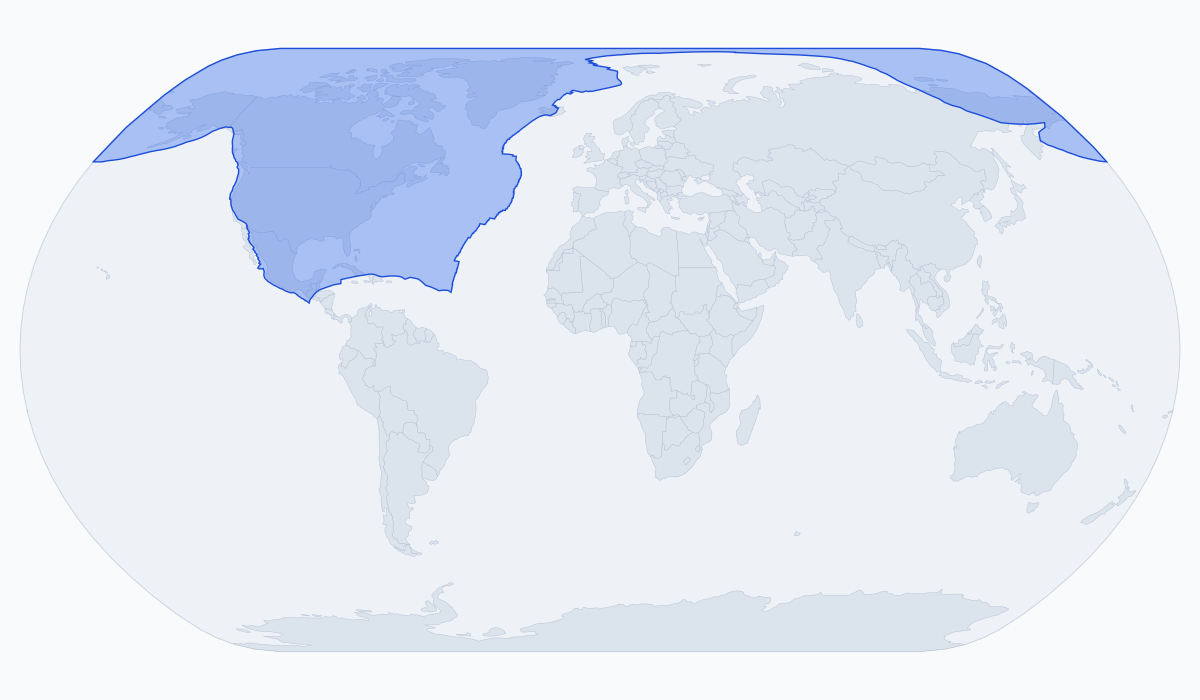
Approximate area
75.9 mi km²
Countries on the plate
10
Neighbouring plates
9
Three kinds of edge
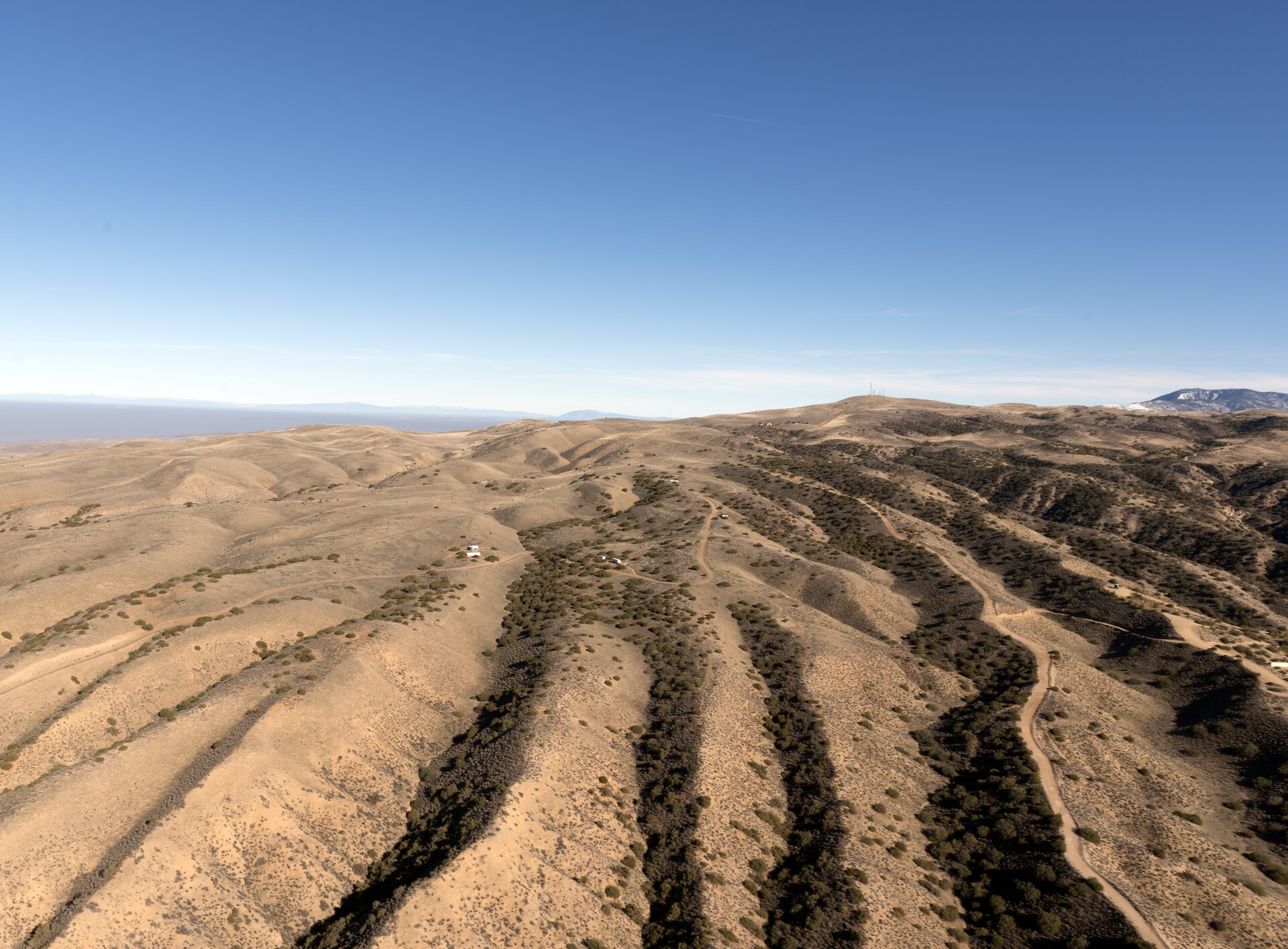
In the Pacific Northwest, the Juan de Fuca Plate dives beneath the North American in the Cascadia zone. In California, the San Andreas Fault marks a transform boundary. In Alaska, the Aleutian zone produces earthquakes and tsunamis.
The interior is not inert either: the New Madrid earthquakes of 1811 and 1812 struck mid-continent, and the Yellowstone hotspot remains active beneath Wyoming.
What it means for risk
Subduction can generate tsunamis; strike-slip shakes hard but rarely moves enough water for an ocean tsunami. The difference changes each state’s emergency plan.
Countries on this plate
- Bahamas
- Belize
- Canada
- Cuba
- Greenland
- United States of America
- Mexico
- Guatemala
- Iceland
- Russia
Computed by sampling each country’s area over the PB2002 polygons. Countries with less than 5% of their area on the plate are not listed.
Frequently asked questions
Is San Andreas a plate boundary?
Yes, a transform boundary between the Pacific and North American plates.
Where is Cascadia?
In the Pacific Northwest of the US and southwest Canada.